
A surprising shift: why businesses recruit side hustles to shape customer experience
In 2026, the phrase ‘side hustle’ has shed its lone-wolf connotations and entered corporate strategy briefings. Rather than seeing secondary income earners as distracted employees or gig-economy outliers, progressive companies are intentionally integrating side-hustle talent and platforms into their customer-experience (CX) design. The result is a new feedback loop: side hustlers bring hyper-specific skills, community credibility and fast experimentation, and firms turn that energy into more personalised, faster, and more trust-based customer journeys.
This is not merely outsourcing. Companies are partnering with, curating and sometimes incubating side-hustles—micro-services, independent creators, freelance experts and gig operators—to fill experiential gaps large organisations struggle to address at scale. The approach leverages the agility of solo entrepreneurs while retaining brand oversight, producing outcomes that conventional full-time teams find hard to replicate.
Micro-expert marketplaces: frontline freelancers improving support and trust
One of the clearest manifestations is the rise of micro-expert marketplaces embedded directly into consumer touchpoints. Retailers, banks and travel platforms now embed on-demand consultations with vetted side-hustle professionals—stylists, financial advisers, trip-planning locals—into product pages and checkout flows. Customers receive immediate, transactional expertise that feels human and relevant, reducing returns and complaint rates.
These marketplaces are curated for brand alignment and compliance. Businesses use data to route queries to the right independent specialist, then surface vetted reviews and credentials. The result is a hybrid customer service model: the speed and reliability of corporate platforms combined with the specialised empathy of an independent practitioner. Firms report higher Net Promoter Scores (NPS) and conversion lifts because advice comes from practitioners who actively monetise their expertise elsewhere and therefore maintain cutting-edge relevance.
Hyperlocal gig partnerships: the new last-mile of experience
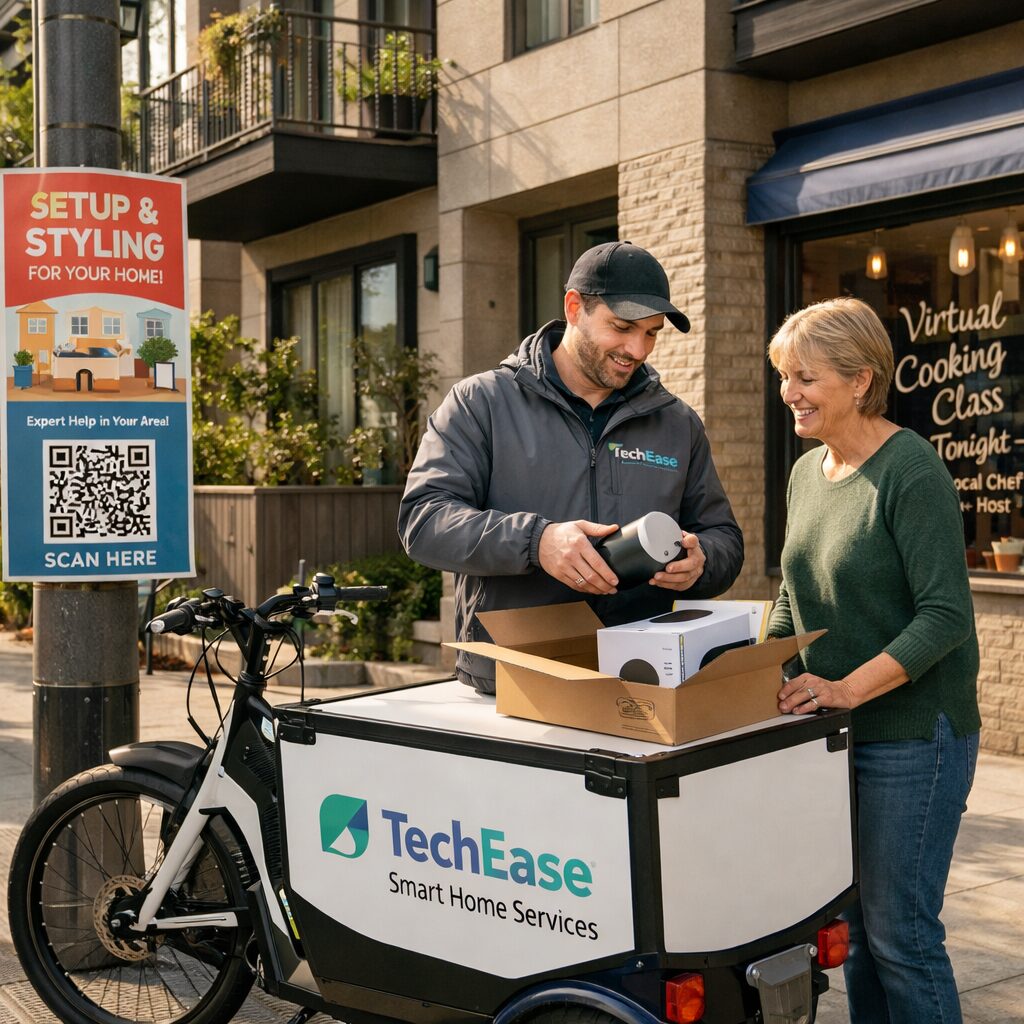
In the logistics and retail sectors, businesses are collaborating with local side-hustlers—bike couriers, home setup specialists, artisans—to transform the last mile into a branded experience rather than a cost centre. Instead of anonymous deliveries, customers can opt for ‘curated drop-offs’ where a local expert unboxes, demonstrates or installs products and offers tailored tips. This model increases on-the-spot satisfaction and reduces the friction that often leads to returns.
Beyond physical fulfilment, hyperlocal side-hustles serve as cultural translators. In hospitality and tourism, companies contract local creators to provide personalised welcome experiences, from private street-food tours to bespoke neighborhood guides. These micro-partnerships make digital customer journeys feel tangible and rooted, boosting loyalty among experience-seeking demographics.
Leveraging AI and side hustles for hyper-personalisation and rapid testing
AI in 2026 is not replacing side-hustlers; it is amplifying them. Businesses deploy generative tools to match customer intent with the most suitable side-hustle offering, and use independent operators as low-cost, high-velocity experimenters for new CX concepts. For example, a subscription platform might A/B test three onboarding experiences by engaging different freelance educators to run short courses, then use AI to quantify sentiment and retention impact.
This symbiosis accelerates innovation: AI handles pattern recognition and orchestration, while human side-hustlers supply nuanced creativity and local knowledge. Firms can rapidly pilot niche experiences without committing to permanent headcount or extensive product development cycles, turning side gigs into an R&D pipeline for customer-facing services.
Ethics, governance and scaling: making side-hustle strategies sustainable
Integrating side-hustles into CX requires rigorous governance. Businesses must navigate employment law, taxation, platform liability and quality control while protecting brand reputation. Leading companies address this with intermediary models—accredited partner programmes, insurance-backed agreements and transparent revenue-sharing schemes—that clarify responsibilities and ensure consistent service standards.
Sustainability also depends on fairness. Ethical programmes pay living fees, offer dispute-resolution channels and provide pathways for successful side-hustlers to scale into formal partnerships. When firms get this right, they secure a resilient, motivated ecosystem of independent operators whose success directly enhances customer satisfaction and long-term brand value.
Future-facing examples and quick takeaways for CX leaders
You can already see practical templates to emulate. A telecommunications company partners with freelance tech tutors to run in-home device clinics; a supermarket chain curates local chefs for virtual cook-alongs tied to weekly baskets; a bank integrates independent small-business mentors into SME onboarding. These programmes consistently produce measurable gains in retention, word-of-mouth and lifetime value.
For CX leaders considering this route: map the experiential gaps your full-time team cannot fill, identify credible side-hustle ecosystems in your customer communities, pilot low-risk curated partnerships, and build governance frameworks from day one. Done thoughtfully, side-hustles are not a liability but a strategic asset that humanises digital brands and deepens customer bond in 2026 and beyond.
![Como viver com menos do que você ganha [sem se sentir miserável]](https://productivepathblog.com/wp-content/uploads/2026/05/How-to-Live-Frugally-PTqOcG-559x1024.jpg)
