
Introduction: Why shopping mistakes undo ‘smart’ savings
Most advice lists ’10 Smart Ways To Save Money Every Month’ as a checklist: cut subscriptions, meal plan, comparison shop, etc. The surprising truth: people often sabotage those strategies at the point of purchase. This article flips the script — instead of repeating the ten tactics, it examines the top shopping mistakes made while implementing each one and shows practical fixes that actually convert intention into lasting savings.
Think of each section as a mini diagnostic: the common error you probably make when trying to save, why it costs you, and a concrete habit to avoid that cost. The result is smarter shopping, not just smarter ideas.
Smart Way 1 — Cut recurring subscriptions: mistake — reacting, not reviewing
The smart move is to trim unused subscriptions. The common shopping-related mistake is reactive cancellation: you cancel one service and subscribe to another ‘cheaper’ replacement without vetting total cost or overlap. That impulse shopping creeps back expenses.
Avoid it by creating a subscription inventory and a purpose map. Before signing up for any replacement, ask: does this fill a unique need, or is it duplicating existing services? Set a 30-day trial rule: mark the calendar to reassess before any paid period starts. Treat subscription upgrades as purchases requiring the same scrutiny as a new appliance.
Smart Way 2 — Meal planning: mistake — coupon-chasing without a plan
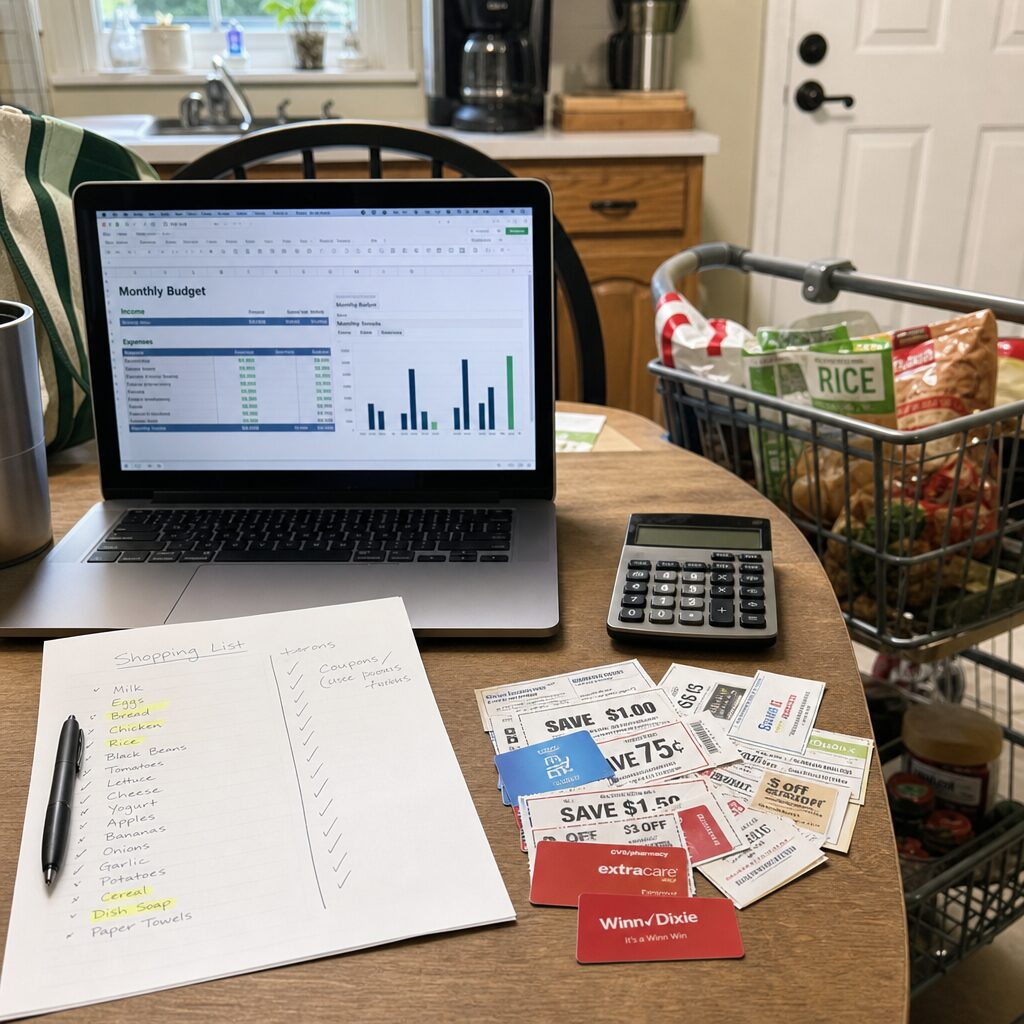
Coupons and deals feel like wins, but buying discounted items you wouldn’t normally eat turns savings into waste. Shoppers often end up with stray products that expire, forcing future purchases.
Avoid this by building your meal plan first, then hunt deals that fit it. Use a shopping list app that flags coupons only for listed items. If a discount tempts you, ask whether the item will be part of a planned meal within two weeks — if not, skip it.
Smart Way 3 — Bulk buying: mistake — equating size with value
Bulk is commonly touted as a money-saver, but people forget to calculate unit cost and household usage. Buying a three-kilo pack of rice at a discount isn’t saving money if it spoils or you move before it’s finished.
Avoid this by calculating unit price and factoring in shelf life and storage costs. For perishables, buy smaller quantities more often or freeze in meal-sized portions. For non-perishables, confirm storage space and likelihood of use within a realistic timeframe before committing to bulk.
Smart Way 4 — Comparison shopping: mistake — comparing wrong metrics
Comparing prices is essential, but shoppers often compare headline prices without accounting for total cost of ownership: delivery fees, return costs, warranty, or compatible accessories. That ‘cheaper’ gadget can become pricier once you add mandatory extras.
Avoid the trap by building a quick comparison sheet: total price (including tax and delivery), expected lifespan, return policy and accessories. Make the decision on total ecosystem cost rather than the sticker price.
Smart Way 5 — Energy efficiency: mistake — buying the flashiest label
Energy labels and green claims are persuasive, yet consumers sometimes buy the highest-rating appliance without checking whether its capacity and features match their real needs. Oversized fridges or washing machines can waste energy despite excellent ratings.
Avoid this by matching appliance size and function to your household. Use the annual energy consumption figure on the label to estimate running costs for your usage pattern. A modestly rated appliance that’s the right size will often cost less over time than an overbuilt, top-rated model.
Smart Way 6 — DIY and repair: mistake — buying low-quality tools to save
Tackling repairs yourself can save money — until a cheap tool breaks mid-job and causes damage that costs more to fix. Likewise, buying single-purpose gadgets for one-off tasks is common and wasteful.
Avoid this by renting or borrowing specialist tools for infrequent jobs and investing in a few reliable, multipurpose tools for regular DIY. Before starting a repair, watch a professional tutorial and list needed supplies; impulse purchases mid-project are costly.
Smart Way 7 — Cut transport costs: mistake — underestimating hidden fees
Choosing cheaper transport options like car-sharing or a smaller vehicle can reduce monthly spend, but people overlook insurance adjustments, parking, congestion charges and maintenance for different cars or routes.
Avoid surprises by running a realistic monthly transport ledger before switching: insurance premiums, anticipated repairs, parking permits, and any subscription costs. Trial a change where possible — commute by bike or public transport for a month to see real savings.
Smart Way 8 — Smart shopping timing: mistake — mistaking timing for thrift
Waiting for sales or Black Friday deals is a common tactic, yet shoppers buy items they don’t need simply because they’re discounted. Seasonal lag can also lead to buying last year’s models that lack necessary features, increasing long-term costs.
Avoid this by defining a purchase purpose and a maximum price you’ll pay regardless of sale timing. If a sale arrives and the item meets your criteria, buy it; if not, walk away. Use price trackers and set alerts for items you genuinely need rather than browsing sale aisles aimlessly.
Smart Way 9 — Cashback and reward programmes: mistake — letting benefits dictate purchases
Rewards and cashback feel like free money, yet people often choose merchants or spend more to hit reward thresholds. Net gain vanishes when spending increases to chase points.
Avoid this by treating rewards as a bonus, not a spending plan. Use cards and programmes that align with your existing spending patterns and pay balances in full each month. Periodically audit reward redemptions to ensure they offset real costs rather than create them.
Smart Way 10 — Frugality without friction: mistake — making saving inconvenient
The final mistake is designing savings strategies that are hard to stick to — overly complex coupon systems, multiple bank pots, or rigid meal plans. Friction leads to abandonments and rebound spending.
Avoid this by simplifying: automate transfers to a savings account after pay-day, limit yourself to two tools for budgeting, and create flexible meal frameworks rather than rigid recipes. The most sustainable savings plan is the one you can follow consistently.
Conclusion: shop like a strategist, not a scavenger
Saving every month is less about austerity and more about smarter choices at the point of purchase. Each ‘smart way’ can be undermined by a predictable shopping mistake; recognising those patterns is the first step to durable savings.
Make three commitments: measure total cost, match purchases to real need, and reduce friction through automation and simple rules. With these habits you’ll turn good intentions into genuine, repeatable monthly savings.
![Como viver com menos do que você ganha [sem se sentir miserável]](https://productivepathblog.com/wp-content/uploads/2026/05/How-to-Live-Frugally-PTqOcG-559x1024.jpg)
