
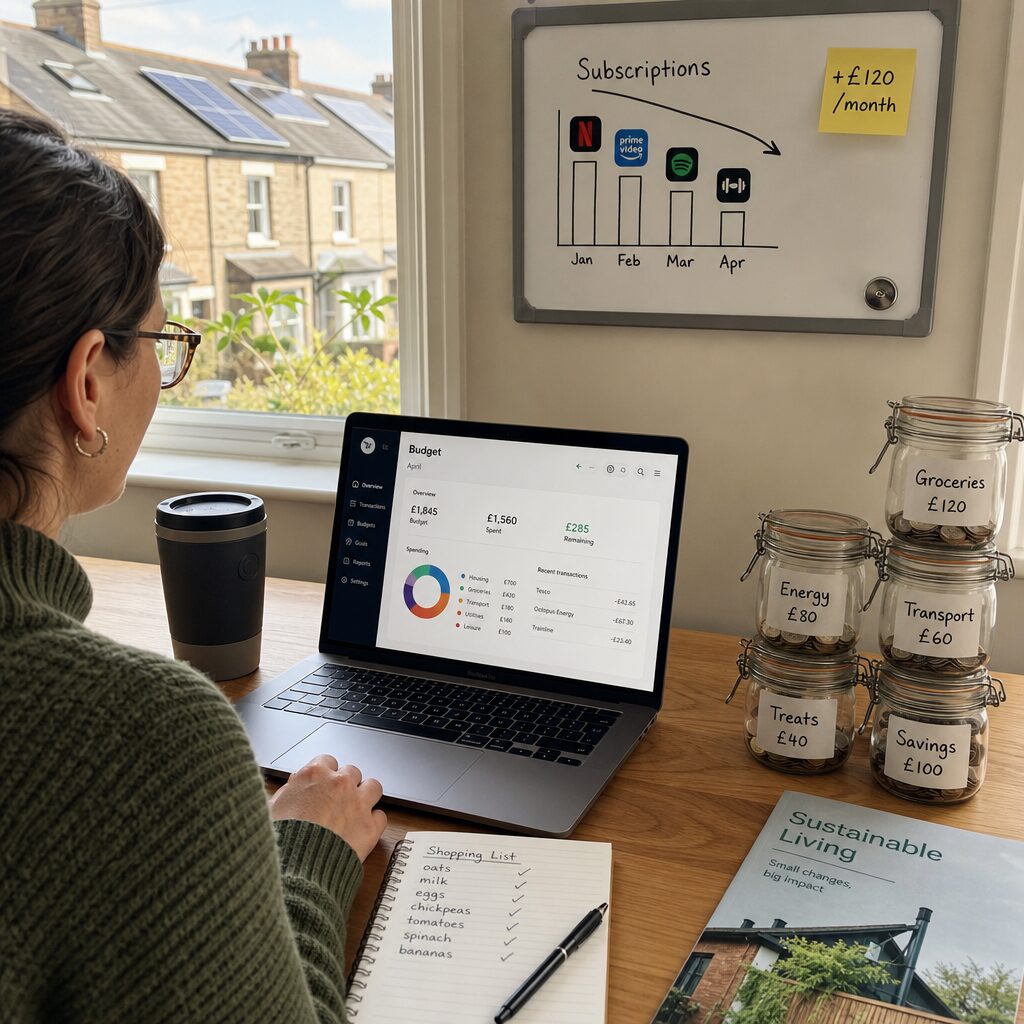
Introduction: The Quiet Boom in Practical Frugality
Searches and downloads for lists like “10 Smart Ways To Save Money Every Month” have soared not simply because people want to pinch pennies, but because a new cultural and technological ecosystem has made practical frugality fashionable, feasible and shareable. What began as survival tactics during economic shocks has matured into a movement driven by fresh incentives: better tools, different work patterns, shifting values and a growing intolerance for waste—financial and environmental. This piece examines the underlying forces creating demand for curated monthly saving strategies and explains why the appetite for these lists is likely to keep growing.
Macroeconomic Winds: Why the Basics Became Strategic
Rising living costs and intermittent wage growth have made disposable income less predictable. Combined with episodic inflation, high housing costs and tighter credit, many households treat monthly savings as a first line of defence rather than a luxury.
But it’s not only scarcity. Financial markets’ uncertainty—volatile equities, low real returns on cash, and periodic rate swings—has shifted attention to controllable levers: recurring subscriptions, utility usage, grocery habits and transport choices. A list of ten monthly tweaks becomes attractive because these items compound quickly; small recurring cuts in expenditure are now understood to offer outsized resilience in an uncertain macro environment.
Technology and Fintech: Making Monthly Savings Actionable
Fintech has transformed vague good intentions into automated action. Round-up savings, app-driven subscription audits, real-time budget analytics and merchant-level cashback make monthly savings measurable and low-friction. The network effects of well-designed apps mean best practices are replicated rapidly: a clever feature in one app is copied, integrated and amplified across platforms, turning a single hack into a mainstream method.
AI-driven personal finance assistants now propose monthly ‘top 10’ savings precisely tailored to spending patterns. That specificity boosts conversion: people trust guidance that predicts their credit card habits, flags recurring fees and schedules transfers aligned with paydays. Accessibility elevates demand—if a saving can be implemented with a tap, people seek more of those taps.
Cultural Shifts: From Scarcity to Intentionality
A cultural evolution reframes saving as a positive life design choice rather than mere deprivation. The sustainability movement dovetails with frugality: minimising waste, choosing durable goods, and reducing unnecessary consumption are both eco-friendly and financially prudent. Social media plays a paradoxical role—while often promoting consumption, it also amplifies minimalist lifestyles, repair culture and ‘smart money’ influencers who package monthly saving tactics as aspirational behaviour.
Furthermore, the gig economy and portfolio careers encourage liquidity and contingency planning. Freelancers and hybrid workers favour monthly savings strategies that stabilise variable income; they seek repeatable, practical tips rather than one-off financial advice. That demand fuels content creation and product innovation aimed squarely at monthly optimisation.
Behavioural Science: Why Ten Practical Tips Hit the Sweet Spot
Behavioural research shows people respond best to concrete, bounded tasks. Ten items provide cognitive manageability—big enough to be meaningful, small enough to implement. Monthly frequency aligns with natural budgeting cycles and pay rhythms, creating a repeating habit loop: identify, implement, review.
Gamification increases adoption. Many saving tips are packaged as challenges (30-day no-eat-out, subscription detox) or progress trackers (weekly grocery spend target). These mechanics convert ephemeral intent into measurable habit formation, and the visible progress encourages sharing and replication, thereby expanding demand for more lists and variations.
The Role of Content Economies and Influencers
Creators monetise practical finance content through affiliate programmes, course sales and paid communities. That economic incentive accelerates volume and variety of monthly saving lists, but it also drives quality: creators who deliver measurable results build loyal audiences. Viral formats—before/after budgets, saving experiments that promise X extra saved each month—are highly shareable and spur a cycle of demand: the more people see quick wins, the more they look for the next set of tips.
Platforms amplify trends rapidly; a single effective hack showcased by a trusted creator can become mainstream in weeks. This cultural-viral feedback loop is a key driver of ongoing interest in monthly saving strategies.
Policy, Employers and Institutional Nudges
Regulators and employers are increasingly nudging better financial habits. Auto-enrolment for pensions, improved transparency on subscription billing, and regulatory pressure on pricing fairness reduce friction for savers and highlight areas for monthly optimisation. Employers offer salary-linked savings, emergency funds and financial coaching as benefits—making monthly saving tactics part of workplace wellbeing.
These institutional nudges not only increase the practical utility of monthly saving lists but also legitimise them: when employers or regulators endorse a particular approach, adoption accelerates.
Looking Ahead: Personalisation, Sustainability and the Next Ten
The next wave of demand will be for increasingly personalised and impact-aware monthly saving strategies. Expect algorithms that combine climate footprints with personal budgets, allowing people to save money while reducing environmental impact. Collective saving models—community bulk-buying, local energy cooperatives—will turn individual monthly tips into shared structural savings.
As tools get smarter and habits more culturally valued, the content will shift from generic lists to hyper-personal, context-aware monthly plans. The appeal will remain the same: controllable, repeatable wins that add up. What changes is scale and sophistication: ten smart ways will soon feel like the starter kit, not the endgame.
Conclusion: Why the Trend Is Here to Stay
Demand for practical monthly saving strategies is rising because multiple independent forces converge: economic uncertainty, software that makes saving painless, cultural values that favour intentionality, behavioural designs that encourage repetition, and institutional nudges that legitimise the practice. Together they create an environment where a concise list of ten monthly actions is not trivia but a strategic toolkit—small, repeatable moves that build resilience, choice and agency in volatile times. For readers and product designers alike, the opportunity is to translate that demand into lasting habits rather than one-off clicks.
![Como viver com menos do que você ganha [sem se sentir miserável]](https://productivepathblog.com/wp-content/uploads/2026/05/How-to-Live-Frugally-PTqOcG-559x1024.jpg)
