
Introduction: Saving as a Workflow, Not a Task
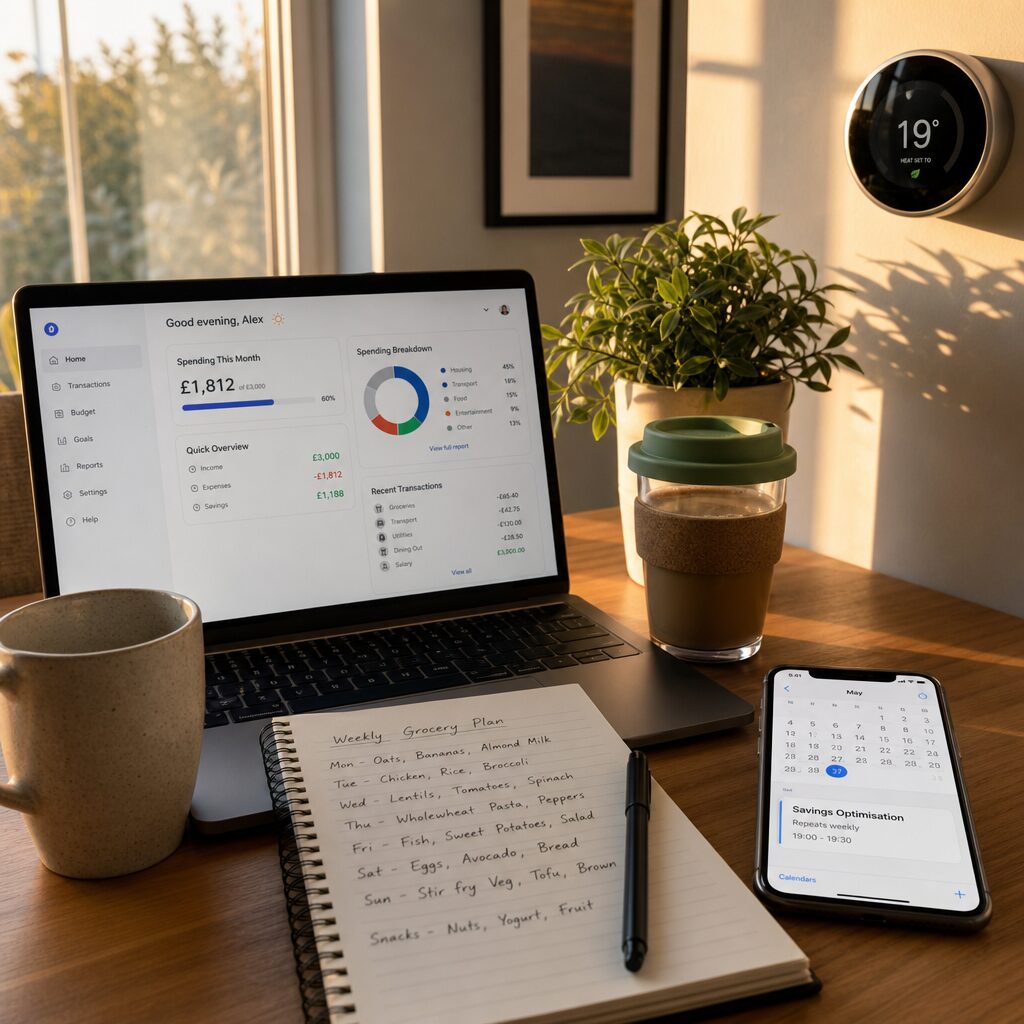
Treating saving like a discrete monthly chore—something that happens at the end of the month when there’s leftover cash—is an outdated approach for a modern, tech-enabled life. Instead, integrate the ten smart saving tactics into the rhythms of your day: the commute, your morning inbox triage, your weekly shop, your calendar review. When saving is part of a repeatable workflow, it becomes predictable, low-friction and far more likely to compound. In this section I sketch the mental model that we’ll use across the article: map each saving tactic to a modern habit, tool or routine so it fits your lifestyle rather than disrupting it.
1. Automate First, Optimise Later: The Inbox Rule for Money
Just as you triage emails into folders and filters, set rules for money that run without daily intervention. Direct a portion of salary into a high-yield savings or target account on payday, automate pension contributions and set standing orders for regular bills. Automation reduces decision fatigue and prevents the ‘I’ll do it tomorrow’ drain. Once automation is in place, schedule a monthly 20-minute optimisation slot into your calendar to review rates, swap providers or reallocate surplus—this mirrors how you handle important but non-urgent emails and keeps the system tuned.
2. Treat Subscriptions Like Tool Licences
In modern workflows we licence software and services to do specific jobs. Apply the same mindset to subscriptions: audit them as you would licences and decide whether each earns its keep in your life. Use a quarterly review ritual—integrated into your digital productivity system—to cancel redundant services, downgrade overlapping tiers and negotiate family plans. Link subscription checks to calendar reminders and a dedicated credit-card filter so the review becomes a natural part of your financial maintenance.
3. Micro-Savings as Micro-Habits: Save in Context
Micro-savings are most powerful when tied to existing micro-habits. For example, every time you complete a focused work sprint, trigger a small transfer to a rainy-day pot; when you buy a coffee, round up the purchase to the nearest pound and divert the change. These micro-actions piggyback on routines you already have—pomodoro cycles, coffee breaks, commute starts—and use behavioural momentum rather than willpower. Use apps and bank rules to automate these round-ups so they form invisible scaffolding beneath your day.
4. Work-From-Home Optimisations: Reallocate Commuting Time and Costs
If you’ve shifted some or all of your work to home, the modern workflow offers a direct saving: time and money once spent on commuting, lunches and professional wardrobes. Reallocate the time saved to meal prepping, bulk shopping or learning money-savvy skills (tax allowances, investing basics). Financially, convert commuting savings into a monthly buffer and funnel it into an emergency fund or a dedicated ‘home office upgrade’ pot—this both solidifies the saving habit and makes the benefit tangible in your working environment.
5. Grocery Workflow: Weekly Frameworks, Batch Decisions
Modern productivity leans on batching small decisions into single sessions. Apply the same to food shopping: plan weekly menus in one session, batch-cook to reduce daily convenience spending, and use a shared list app for household purchases so impulse buys are minimised. Pair rostered shopping with loyalty apps and digital coupons that you check during your planning session. Treat the list as part of your weekly review and let the batch decision save both time and money by reducing friction and temptation.
6. Energy and Home Tech: Make Your Home an Energy-Efficient Node
Integrate energy-saving measures into weekly and seasonal maintenance workflows. Schedule thermostat checks with daylight savings shifts, set a quarterly review for insulation and smart-plug optimisation, and delegate simple automation tasks—smart schedules, zoned heating—to technology. Consider energy use reports as part of your monthly dashboard: when your home’s energy profile is visible and tied to a routine review, small behavioural changes (shorter showers, off-peak appliance use) become habitual and measurable, delivering reliable monthly savings.
7. Mobility as a Service: Design Transport into Your Calendar
Modern mobility is more about choices than ownership. Embed transport decisions into your calendar planning: choose active travel for short meetings, book shared cars only for scheduled trips, and switch to pay-as-you-go or season tickets when frequency justifies it. Treat your travel plan like a project itinerary—assess each trip’s cost against alternatives when you add it to your calendar. This mindset reduces last‑minute, expensive choices and converts commuting into an optimised, cost-aware routine.
8. Invest Time in Learning, Not Just Cuts
The last smart saving is counterintuitive: spend time learning high-leverage financial skills as a regular part of your personal-development workflow. An hour a week of focused reading on tax efficiency, workplace benefits, or low-cost investing can unlock monthly savings far larger than incremental coupon hunting. Build this learning into your existing routines—commute podcasts, lunch-hour courses or weekend study sprints—so it scales alongside your career and multiplies savings sustainably.
Conclusion: Your Savings System as Personal Infrastructure
When the ten smart ways to save are translated into workflows and embedded into your day-to-day systems, saving stops being a chore and becomes reliable infrastructure—like your calendar, inbox or filing system. The real power lies in matching each tactic to a habit, a tool or a cadence you already use. Start small: automate a transfer today, batch your next shop, and add a monthly 20-minute optimisation slot to your diary. Over time, these integrated moves compound into financial resilience that fits the way you live and work now.
![Como viver com menos do que você ganha [sem se sentir miserável]](https://productivepathblog.com/wp-content/uploads/2026/05/How-to-Live-Frugally-PTqOcG-559x1024.jpg)
