
A new lens on ’10 smart ways’: from tactics to ecosystems
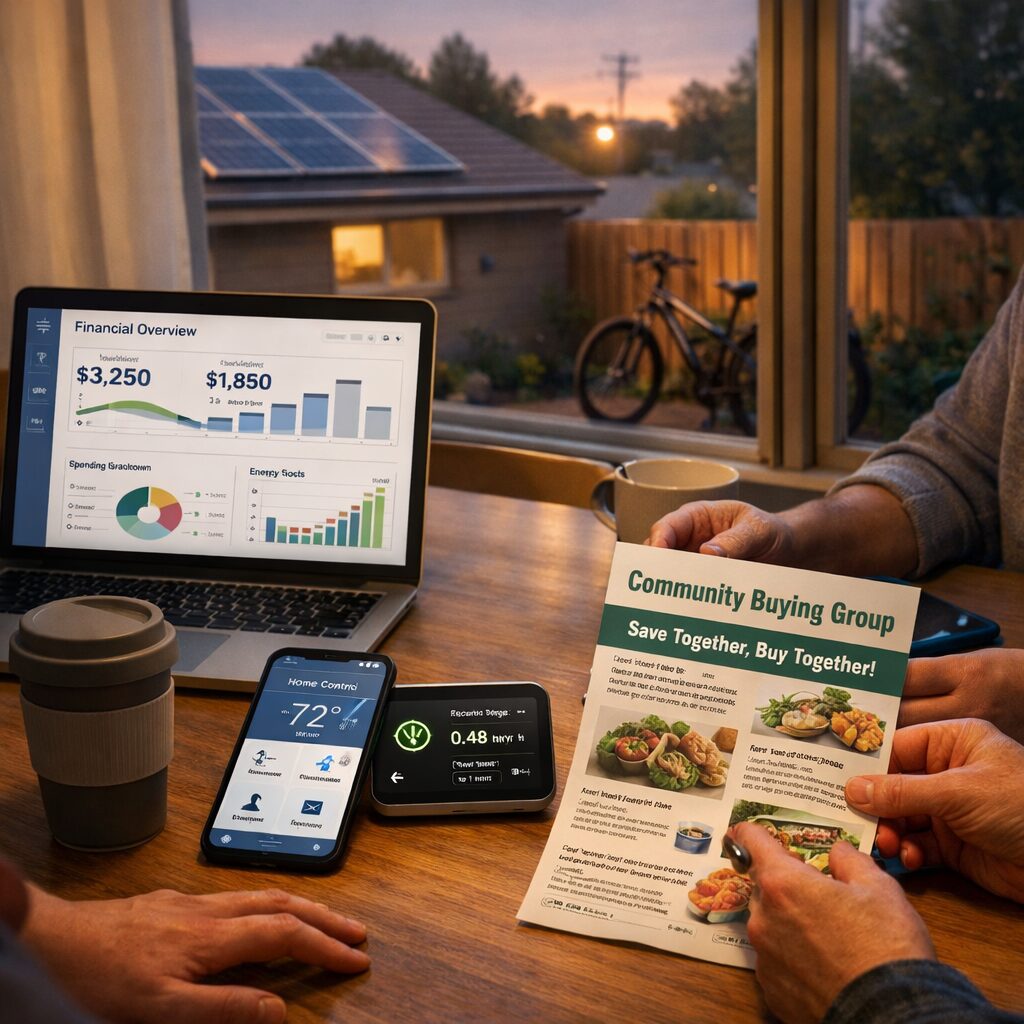
The familiar listicle—cancel unused subscriptions, automate savings, cook at home—remains useful, but its future is less about singular tactics and more about interconnected ecosystems. Within the next five years those ten tactics will be stitched into platforms that nudge, execute and adapt on your behalf. Imagine a single dashboard that links your bills, subscriptions, home energy management and credit offers, then proposes a monthly saving plan and executes micro-actions (pause streaming for a month, switch to a variable energy tariff, renegotiate a loan rate) with your permission. That shift turns discrete money-saving acts into an ongoing, contextual conversation between you and a system that learns your priorities. The real innovation will be orchestration—combining small savings into significant, predictable monthly outcomes without constant manual effort.
Personalised automation: AI as your pocket financial planner
Artificial intelligence will make automation far smarter than simple ’round-up’ apps. Future tools will parse voice messages, calendar events and weather forecasts to anticipate spending spikes and adjust buffers accordingly. For example, an AI noticing several calendar entries for trips might temporarily elevate your travel savings target and reduce discretionary spending alerts. It will also offer hyper-personalised micro-savings suggestions: swapping a weekly coffee chain purchase for a local loyalty deal or suggesting a better mobile plan based on your actual usage patterns. Crucially, these systems will focus on behavioural friction — automating not just transactions but the social and emotional nudges that make saving stick.
Collective saving and community finance: pooling to reduce cost
Saving will increasingly be a social endeavour. Community-enabled tools will let neighbours or interest groups pool buying power for utilities, bulk groceries or insurance, converting the principle behind co-ops and buying clubs into 21st-century digital products. Platforms will coordinate shared subscriptions (family or communal accounts), rotate bulk purchases, and negotiate group discounts with suppliers. Social accountability features—transparent progress boards, micro-bonuses for consistent savers—will transform small, isolated cutbacks into collective momentum. Expect local councils and community banks to partner with fintech to reward group-driven conservation, particularly around energy and transport, with rates or rebates.
Subscription economy 2.0: modular, refundable and negotiable
Subscriptions will stop being monoliths. The next generation will be modular: pick-and-mix bundles, temporary pauses by task rather than whole service, and legally backed refund windows for underused services. Contracts will incorporate usage-based pricing as default—so you pay for what you actually consume rather than a flattened monthly fee. Negotiation bots will be commonplace, authorised to haggle with providers in real time. This will make one of the ten classic savings moves—pruning subscriptions—much more effective and less painful, because the system will surface low-value items and enact pro-saving changes with minimal consumer effort.
Green and local savings: where sustainability meets thrift
Environmental action and personal finance will converge. Home efficiency upgrades, shared transport and local circular-economy purchases will be framed as guaranteed monthly savings rather than optional ‘green’ choices. Smart meters, predictive thermostats and community solar schemes will reliably cut bills, and algorithms will calculate payback periods that show immediate monthly benefit. Governments and utilities will increasingly offer dynamic incentives—credits, lower tariffs—for behaviours that reduce peak demand. The bottom line: sustainability will become a pragmatic, measurable path to lower monthly outgoings rather than a moral luxury.
Embedded financial services: saving as part of everyday tools
Rather than separate apps, saving features will be embedded into platforms you already use: ride-hailing services, grocery apps, workplace benefits portals. Checkout flows will automatically suggest cheaper bundles or delay non-essential purchases into micro-savings pots. Employers will offer ‘save-through-pay’ features that convert unused overtime into emergency funds, or route part of a bonus into long-term goals with tax or match incentives. These invisible savings pathways reduce decision fatigue and increase consistency—turning incidental interactions into ongoing financial improvement.
Regulation and consumer empowerment: the policy frontier
Regulation will be a major catalyst. Consumer-rights laws around subscription transparency, easier switching between providers and mandatory usage summaries will give savers leverage. Open banking, stronger contestability in energy and telecoms, and clearer billing standards will enable automated tools to operate with greater accuracy and safety. Expect regulators to mandate portability of loyalty credits and easier partial refunds for underused services—small legal changes that magnify monthly savings across millions of households.
Micro-investing and automated debt management: smarter balance sheets
The line between saving and investing will blur. Micro-investing into low-fee diversified vehicles, combined with automated debt repayment prioritisation (snowball vs avalanche chosen dynamically), will optimise monthly cash flow. Software will allocate surplus to the highest marginal benefit—whether an emergency fund, a high-interest debt, or a short-term investment that unlocks future discounts (such as community energy shares). These hybrid strategies will make the classical ten saving tips more financially efficient by treating every spare pound as a strategic asset.
Privacy, ethics and the trust economy: guarding your balance
All these advances rely on rich personal data. The future of saving tools depends on a trust economy where consumers can retain control—selective data sharing, local device computation and transparent AI reasoning. Firms that succeed will be those that combine effective savings action with ironclad privacy guarantees and visible audit trails for automated decisions. Ethical design—avoiding predatory nudges, ensuring access for low-income users and preventing discriminatory offers—will determine whether these smart methods widen or narrow financial inclusion.
Where it’s headed next: scenarios and practical steps for readers
Scenario 1: Rapid integration. Within five years, major financial platforms offer orchestration dashboards that halve the time you spend on saving decisions and increase monthly net savings through automation. Scenario 2: Fragmented progress. Niche apps deliver excellent features but lack interoperability, placing the burden on consumers to stitch systems together. Scenario 3: Regulated equilibrium. Policy interventions standardise data portability and subscription transparency, leading to widespread, safe automation.
For readers who want to be ahead of the curve: 1) demand interoperability—choose services that support open banking and data export; 2) opt for tools that explain decisions and permit easy human override; 3) join local saving groups or cooperatives to access immediate group discounts; 4) prioritise measures with guaranteed returns (energy efficiency, high-interest debt repayment) before speculative micro-investing. Embrace systems that do the heavy lifting but keep clear control over your priorities—this is how the ten classic monthly-saving behaviours will most usefully evolve.
![Como viver com menos do que você ganha [sem se sentir miserável]](https://productivepathblog.com/wp-content/uploads/2026/05/How-to-Live-Frugally-PTqOcG-559x1024.jpg)
