A different lens: why 2026 is a hinge year for side hustles
2026 is less a milestone and more a hinge — the moment when several slow-moving trends converge to make side hustles structurally different from the gig economies of 2016–2022. Rather than more of the same ‘drive, deliver, list’ roles, expect an era where side hustles are modular, interoperable and often powered by AI companions. This section frames that shift: side hustles will be judged less by platform discovery and more by portability, reputation tokens and the degree to which they integrate with a worker’s core career.
For readers, the implication is simple: pick hustles that can be disaggregated into reusable components (skills, templates, products) and assembled into new income streams quickly. The next wave will reward builders who think in modules rather than one-off gigs.
The modular hustle: turning skills into interoperable assets
Side hustles will increasingly look like marketplaces of modular labour: a micro-course here, a diagnostic template there, and a reusable contract or automation selling for recurring fees. Expect packaging skills as fine-grained digital assets — micro‑consultations, pre-configured automations, niche data sets — that can be licensed across platforms or sold directly.
This trend is already visible in creative and technical niches where creators sell bundles: prompt libraries for generative models, audit checklists for ESG compliance, or pixel-perfect UI kits. The future twist is interoperability — standardised ‘skill metadata’ (think mini-resumes for micro-tasks) that allows a buyer or platform to instantly verify and combine multiple sellers’ offerings into a single product or service.
AI as co‑founder: augmentation changes what a one-person hustle can achieve
AI agents in 2026 are not just tools; they act as persistent collaborators that accelerate discovery, scale and quality. A solo copywriter plus a dedicated AI research agent can outcompete a small agency on speed and price. Likewise, AI-driven automation will compress repetitive parts of side hustles — invoicing, client screening, A/B testing — freeing humans to focus on higher-value differentiation.
Crucially, success will depend on orchestration skills: knowing how to design prompts, curate model outputs and integrate AI safely. Rather than fearing replacement, the most profitable hustlers will specialise in supervising, validating and humanising AI output for clients who still pay a premium for nuance and trust.
Hyperlocal and experiential: pockets of premium beyond screens
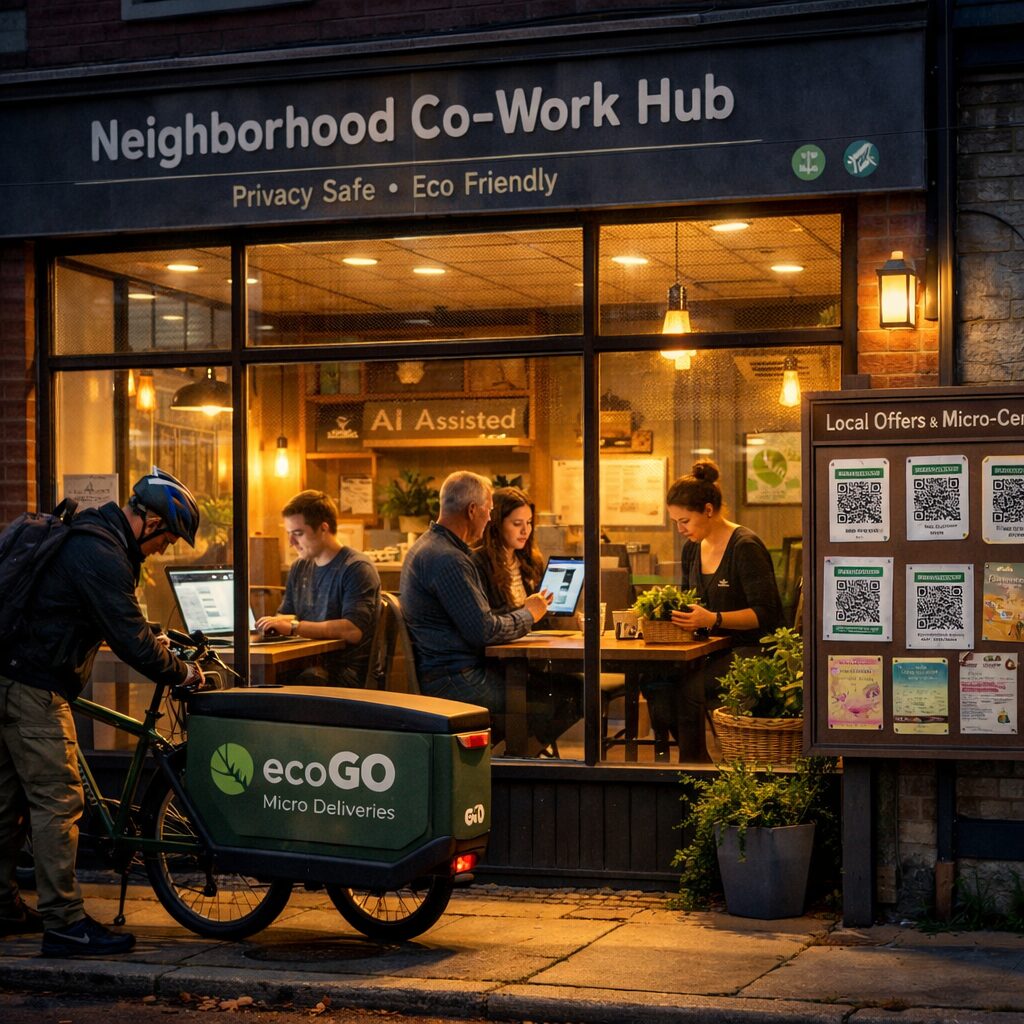
While AI and digital modularisation grow, there’s simultaneous appetite for tactile, local and experience-led services. Micro-verticals such as bespoke urban gardening, neighbourhood micro-mobility maintenance, on-demand micro-classes (yoga, coding, craft) and micro-tourism offer premium margins because they combine convenience with personal connection.
These side hustles thrive on locality and community reputation rather than platform reach. Local newsletters, co-op booking systems and community tokens will replace broad marketplaces for many of these offerings. For people who can cultivate trust, hyperlocal hustles will be resilient to algorithmic churn and regulatory shifts.
Platform fragmentation and worker sovereignty: owning demand
After years of consolidation, 2026 is producing fragmentation: vertical specialist platforms, decentralised peer-to-peer networks and corporates bringing previously gig-only roles in-house. That creates both opportunity and risk. The lesson: owning customer relationships and portable proof of work becomes decisive.
Practically, that means maintaining direct channels (email lists, newsletters, social proof hubs), using interoperable credentials (skill badges, verifiable micro-certifications) and designing offerings that can move between platforms. Side hustlers who treat platforms as distribution, not destiny, will command better terms and avoid sudden de-platforming shocks.
Money mechanics: subscriptions, micro-payments and benefits stacking
Revenue models for side hustles will shift away from purely transactional fees toward hybrid income streams. Expect more subscriptionised micro-services (weekly coaching slots, content collections), bundled micro-payments for modular deliverables, and creative stacking with benefits (discounts, insurance add-ons, collective bargaining via micro-cooperatives).
New payment rails — faster micropayments, tokenised loyalty and embedded finance — will make it feasible to monetise small, repeatable pieces of value. Smart hustlers will design offerings that combine a low‑commitment entry point with higher‑value upsells, reducing churn while ensuring steady cashflow.
Regulation, ethics and sustainability: the constraints that shape opportunity
Regulatory and social pressures are tightening in areas such as data privacy, platform labour rights and climate accountability. Side hustles that dodge these concerns now may face heavier compliance costs later. Ethical framing and demonstrable sustainability are increasingly differentiators — clients and consumers prefer contractors who can show transparent data practices and low environmental impact.
Anticipate opportunities in compliance-adjacent services: small-scale ESG audits for SMEs, privacy-first marketing, ethical AI prompt engineering and carbon-literate logistics. Those who bake compliance and ethics into their offering early will convert risk into competitive advantage.
How to future-proof your hustle: practical strategic moves
A few tactical shifts will pay outsized dividends as the landscape evolves:
1) Turn your skills into reusable assets: templates, micro-courses or verified badges that earn passive or recurring revenue. 2) Build a direct audience and multiple demand channels to reduce platform dependency. 3) Learn orchestration: basic automation, prompt engineering and AI validation skills. 4) Choose hybrid offers that combine digital scale with local, high‑trust touchpoints. 5) Monetise trust: collect verifiable proof of work and display it in portable form.
These moves prioritise resilience and optionality: they make it easier to pivot when platforms, regulations or technologies change.
Where it’s headed next: five bold predictions for 2028
1) The rise of ‘skill passports’: interoperable micro-credentials recognised across platforms and employers, making it easier to bundle income streams. 2) AI-managed microteams: small clusters of freelancers coordinated by persistent AI agents forming transient boutique firms. 3) Local subscription economies: neighbourhood-level membership models for services previously bought ad hoc. 4) Platform co-ops regain ground: workers leverage collective ownership to capture platform value. 5) Attention monetisation tools mature: consumers pay micro-subscriptions directly to creators for persistent access, reducing intermediary fees.
Each prediction points to the same theme: side hustles will become more professional, portable and policy-aware. The savvy hustler of tomorrow treats side income like a product line — designed, tested and iterated with measurement and modularity in mind.
Closing: from hustle to lasting economic craft
The future of side hustles is not a scattergun of odd jobs but the rise of crafted, repeatable income systems. Whether through AI augmentation, modular assets or hyperlocal premium services, the best side hustles in 2026 and beyond will be those that are portable, verifiable and resilient to platform and regulatory change.
If you plan to start or reshape a side hustle today, aim to construct something that can be recombined, defended and scaled. That mindset — of building economic craft rather than temporary gigs — is the single most valuable hedge as we move into the next phase of work.