
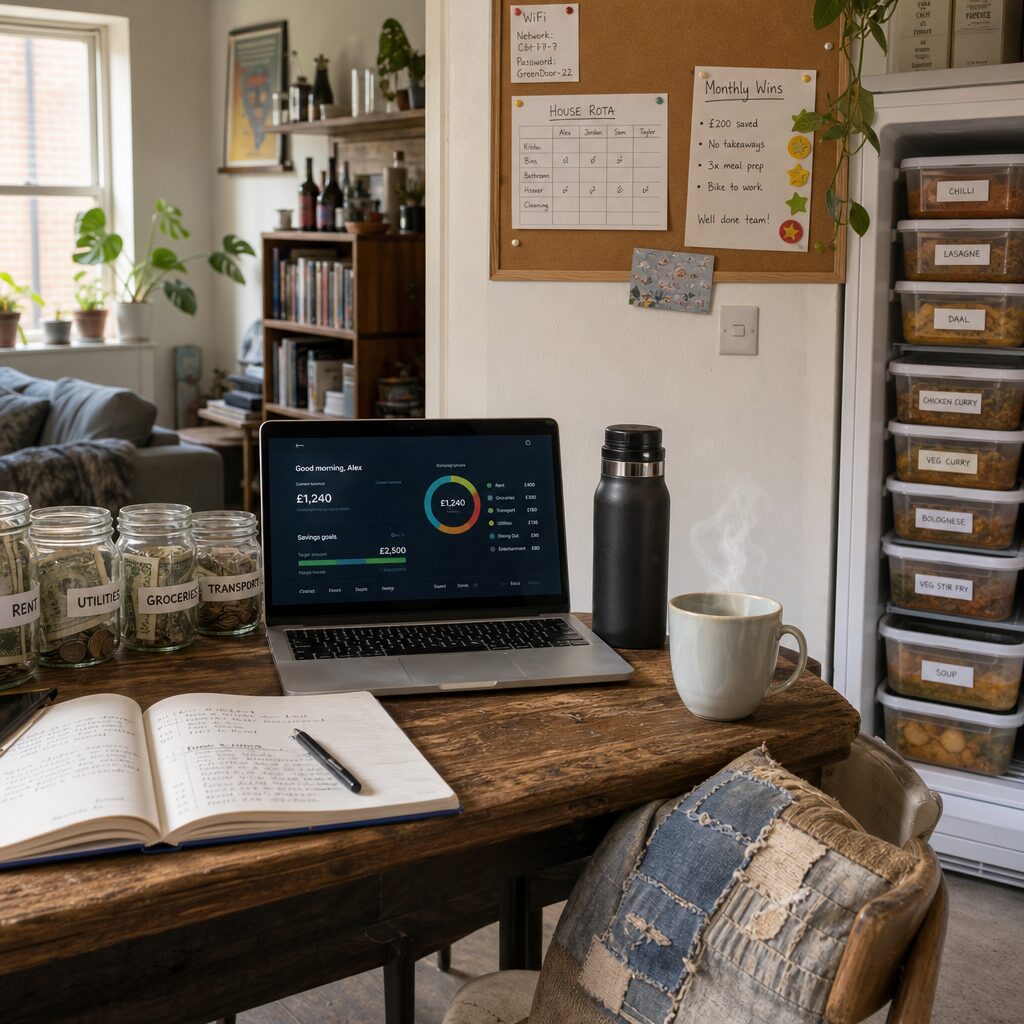
Intro: The Monthly-Saving Mindset as Cultural Currency
What began as a set of household tips — unfollowing sale emails, swapping branded coffee for a brew-at-home ritual, cancelling unused subscriptions — has mutated into a cultural current. The phrase “10 smart ways to save money every month” is less a list and more a behavioural template that infiltrates identity, aesthetics and social signalling.
Across social feeds, bedrooms and apartment kitchens, modest acts of thrift are now read as value statements. This section sketches how simple month-to-month economies have become cultural currency: markers of responsibility, creativity and even moral standing in a climate-conscious, debt-wary era.
Micro-Habits, Macro-Identity: How Monthly Savings Shape Personal Narratives
Monthly saving tactics are being woven into personal narratives. People narrate their lives through recurring rituals — meal-prep Sundays, transit commute upgrades, subscription audits — and those rituals show up in bios, reels and conversation. These micro-habits convert practical choices into identity badges: “I meal-prep” becomes shorthand for discipline; “I switched energy suppliers” signals eco-consciousness fused with thrift.
The result is a cultural feedback loop. As practices are broadcast, they normalise and migrate from niche communities into mainstream lifestyle. What used to be private budgeting behaviour becomes a public statement that shapes how people present themselves and how others measure responsibility and taste.
Design and Retail: Products Rebranded for the Savvy Monthly Saver
Manufacturers and retailers have noticed. Product design has shifted from pure luxury or low-cost utility towards items that celebrate ongoing savings — reusable coffee filters branded as “$5/week saved”, modular furniture marketed with lifecycle savings calculators, apps advertising “monthly money wins” rather than one-off discounts.
Retail spaces and marketing campaigns now embed the ritual of saving into product stories. The language centres on repeat behaviour and the joy of compounding small wins. This influences packaging, subscription models and even storefront aesthetics, favouring transparent pricing and tools that make monthly impacts visible and shareable.
Social Rituals and New Etiquette: From Coffee Runs to Communal Kitchens
The modern social calendar has adapted to monthly-saving practices. Brunch invites might include BYO-brew notes; friend groups rotate bulk-cook nights; neighbourhood WhatsApp groups coordinate garden swaps. These are not austerity measures but new etiquette — ways communities balance connection with conscious spending.
This etiquette reshapes hospitality norms. It accepts potluck-style generosity, trades gift-heavy holidays for experience-based exchanges, and values time-saving hospitality (a shared freezer, pooled subscriptions) over one-off extravagance. The cultural effect is a softer, community-oriented lifestyle that privileges resourcefulness.
Influence on Mental Health Narratives: Reframing Financial Anxiety
Monthly saving strategies have also reframed public conversations about money and mental health. Predictable, repeatable actions offer people small wins that counteract the helplessness of large financial challenges. Journals, apps and influencers promote rituals — a monthly budgeting day, a weekly expense review — which function as cognitive anchors.
This trend shifts the narrative from deprivation to empowerment. Mental-health framing positions saving as agency: control over future stressors, improved sleep, and a tangible path to goals. Consequently, financial advice increasingly blends behavioural psychology with practical steps, influencing therapy, coaching and workplace wellbeing programmes.
Urban Planning and Mobility: Small Savings, Big Lifestyle Choices
The preference for monthly optimisation has rippled into urban choices. Commuters opting for public transport passes, cycle subscriptions, or car-share memberships change demand patterns. City planners and transport providers respond with micro-subscriptions, pricing tiers and infrastructure aimed at recurring users rather than one-off buyers.
This shift affects housing decisions too. People prioritise locations that reduce monthly expenses: proximity to work to cut commuting costs, access to community amenities that lower discretionary spending, or buildings with shared resources (laundry, storage, tool libraries). The monthly-savings lens reshapes how people evaluate neighbourhood value.
Aesthetic Shifts: Minimalism, Maintenance and the Beauty of Longevity
Aesthetic trends have embraced the logic of recurring savings. Minimalism has evolved from stark white spaces to ‘maintenance chic’ — well-cared items, repair-friendly design and multipurpose furniture that reduce recurring replacement costs. Instagram grids now celebrate patina, repaired denim and refurbished electronics as stylish and sensible.
This aesthetic change elevates frugality to an artistic choice. The visual language of longevity signals taste and ethical consumption, aligning thrift with sustainability. It normalises visible repair, second-hand curation and the deliberate display of items chosen for durability and monthly cost-effectiveness.
Technology and Gamification: Turning Monthly Saving into a Trend
Fintech and apps have turned month-to-month saving into a game. Round-up features, savings streaks, and communal challenges make recurring thrift feel playful and social. Hashtags and leaderboards amplify modest wins, creating online subcultures that celebrate consistent progress.
This gamification shifts motivation from fear of overspending to pursuit of status within communities. As a result, saving behaviour gets codified into digital rituals, influencing how younger generations perceive money management — not as tedious accounting but as social interaction with measurable badges.
Conclusion: The Cultural Legacy of Ten Simple Strategies
The influence of “10 smart ways to save money every month” extends far beyond bank balances. These practices have become cultural building blocks that reshape identity, design, social norms and urban life. Small, repeatable choices compound not only financially but culturally, steering how communities value time, aesthetics and responsibility.
As these habits continue to embed in everyday life, their power lies in normalising sustainability, resilience and collective rituals. The modest act of saving monthly has quietly become a lens through which modern culture negotiates scarcity, abundance and meaning.
![Como viver com menos do que você ganha [sem se sentir miserável]](https://productivepathblog.com/wp-content/uploads/2026/05/How-to-Live-Frugally-PTqOcG-559x1024.jpg)
