
Why the Side‑Hustle Ecosystem Has Become a CX Resource
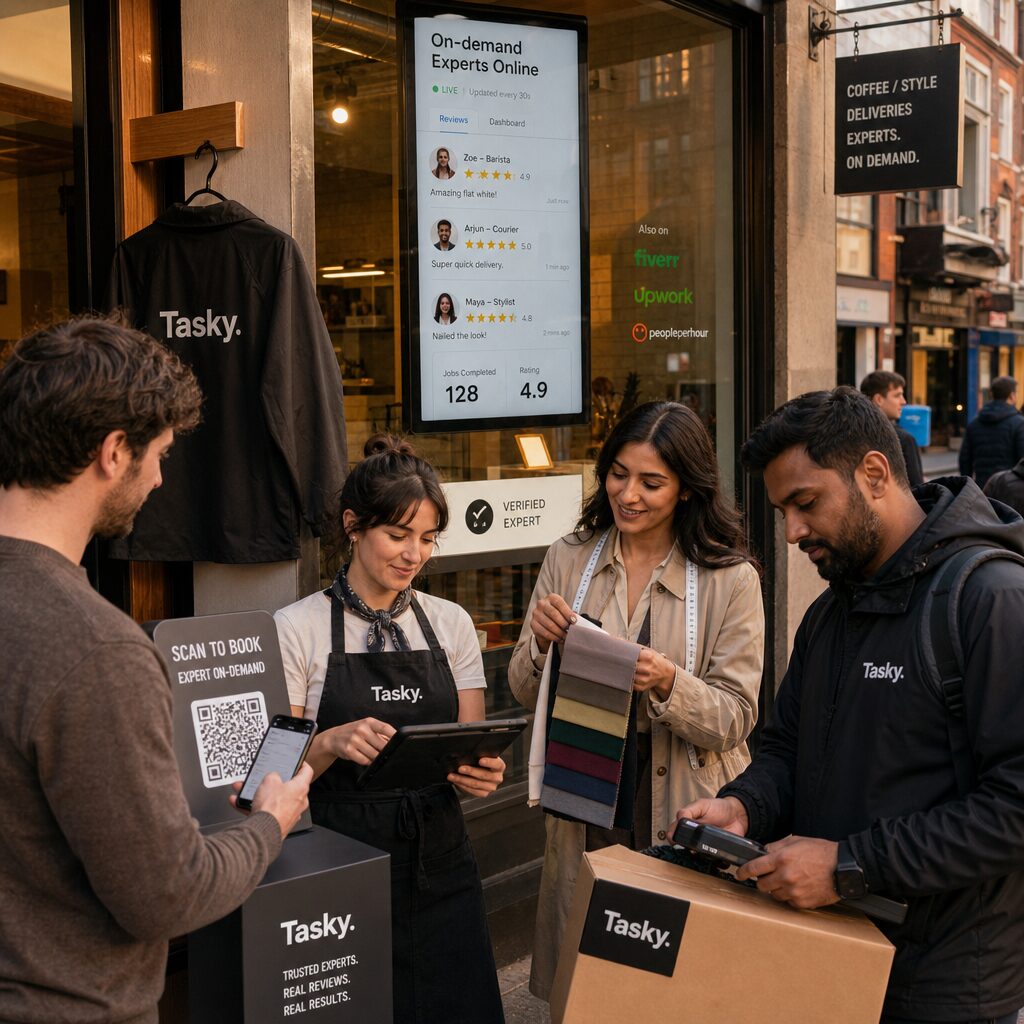
In 2026, side hustles are no longer merely personal income streams; they are strategic extensions of businesses’ customer‑experience (CX) toolkits. Companies increasingly treat skilled gig workers — designers, copywriters, micro‑influencers, expert consultants, and on‑demand delivery couriers — as modular talent that can be deployed to solve very specific customer pain points. This section explains the shift from seeing side hustles as labour markets to seeing them as outsourced CX intelligence.
Businesses are motivated by speed, authenticity and cost efficiency. A retail brand can plug a local craftsperson on a freelance marketplace to offer bespoke product customisation within 48 hours. A SaaS firm can recruit freelance onboarding specialists to reduce churn during a product launch. By integrating side‑hustle talent into customer journeys, companies achieve hyper‑personalisation and responsiveness that large workforces struggle to match.
Practical Models: How Businesses Leverage Side Hustles for Better CX
There are repeatable models emerging across industries:
– On‑demand expertise: Customer service escalations are routed to certified freelance specialists who handle niche issues — for example, vintage watch repair advice or complex tax queries. This reduces call transfers and improves first‑contact resolution.
– Micro‑influencer close‑marketing: Instead of top‑tier celebrity campaigns, brands contract dozens of micro‑influencers as affiliate‑level brand ambassadors. These side‑hustle creators deliver authentic, localised content that boosts trust and drives trial among tight demographic segments.
– Community couriers and experiential ambassadors: Retailers hire gig couriers who also act as brand touchpoints — offering in‑person product demos, quick returns facilitation, and live feedback from neighbourhoods.
– Product co‑creation sprints: Companies run paid side‑hustle design sprints, tapping independent UX designers, copywriters and data scientists for short, intense iterations that directly incorporate user feedback into new features.
Platforms that facilitate these connections — such as Upwork, Fiverr and sector‑specific marketplaces — have built verification and micro‑credential layers to make hiring frictionless.
Case Studies: Small Teams, Big CX Wins
Three real‑world patterns show the power of side‑hustle integration:
1) Regional coffee chain: The brand launched an app feature where local baristas, hired as hourly side hustlers, offered 15‑minute virtual brewing lessons to premium members. Customers reported higher brand loyalty and spent 22% more on personalised blends. The company gained on‑the‑ground product insight from baristas who doubled as informal R&D scouts.
2) Fintech start‑up: Faced with onboarding friction for small business clients, the start‑up contracted experienced accountants from freelance platforms to provide paid, one‑off onboarding calls. Customer time‑to‑value fell by 35% and NPS rose significantly, proving that temporary expert interventions can change long‑term perception.
3) E‑commerce fashion label: To reduce returns, the label employed independent stylists as per‑order consultants via a micro‑task platform. Customers who used stylist chats returned 40% less merchandise; the stylists also generated micro‑content that fed into product pages, improving conversion for other shoppers.
How to Integrate Side‑Hustle Talent Without Sacrificing Brand Consistency
Businesses must balance flexibility with control. Practical steps include:
– Micro‑onboarding kits: Create short, modular brand guides, conversation scripts and FAQs for side‑hustlers. These kits enable authentic voice without dulling personal flair.
– Outcome‑based KPIs: Measure impact by customer outcomes (reduced resolution time, higher conversion, fewer returns) rather than hours worked.
– Credentialing and trust: Use platform badges, short tests and probationary tasks to validate skills quickly.
– Privacy and compliance guardrails: Ensure any third‑party who accesses customer data signs data‑processing agreements and receives minimal necessary access.
– Incentive alignment: Offer revenue‑share, referral bonuses or customer‑feedback‑linked payouts to motivate quality interactions while keeping costs variable.
Emerging Technologies That Amplify Side‑Hustle Impact on CX
Three tech trends are accelerating the integration of side hustles into customer experience:
– Micro‑credential networks: Blockchain or verifiable‑credential systems let businesses instantly verify skill claims and past performance, shortening hiring cycles.
– AI‑assisted collaboration: AI copilots help gig workers scale their output — for example, generating drafts for copywriters or summarising complex customer tickets for subject‑matter experts, so one‑hour consultations deliver disproportionate value.
– Orchestration layers: Middleware platforms coordinate cohorts of side‑hustlers, handle payments, routing and compliance, and present a single API to the business, making the gig workforce feel like an internal team to customers.
Risks, Ethics and the Future of CX‑Driven Side Hustles
Using side hustles for CX poses governance questions. Brands must avoid exploitative pricing, ensure fair pay for micro‑tasks, and be transparent with customers when interactions are fulfilled by independent contractors. Long term, expect hybrid staffing models where full‑time teams handle core strategy while a vetted network of side‑hustlers provides agility and local authenticity.
By 2028, companies that master this balance — treating side‑hustle talent as strategic, measurable partners — will offer customer experiences that feel both personalised and reliably excellent. That will be the real competitive edge.
![Como viver com menos do que você ganha [sem se sentir miserável]](https://productivepathblog.com/wp-content/uploads/2026/05/How-to-Live-Frugally-PTqOcG-559x1024.jpg)
