
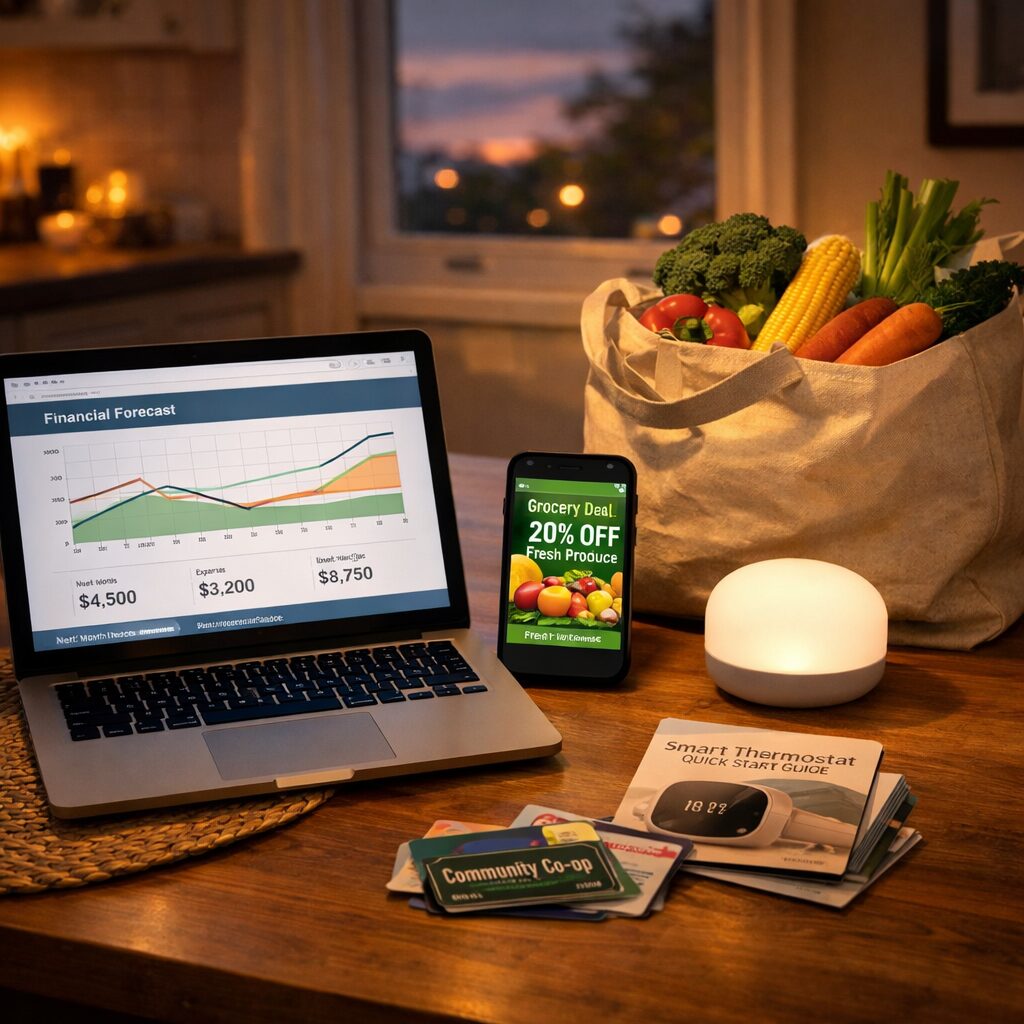
Why the ‘how’ of saving has become a cultural trend, not just a habit
Saving money every month used to be about willpower and envelopes. Today it’s a cultural and technological ecosystem where social norms, platforms and real‑time data shape what people consider ‘smart’ saving. Three macro forces—ubiquitous data, platformisation of services, and values‑driven consumption—have converted personal finance into a living, adaptive practice.
That shift means the most effective monthly savings tactics are no longer simply tricks (skip your latte). They’re practices amplified by technology and social design: personalised automation, crowd‑sourced vigilance, and incentives that align saving with identity. Understanding those trends helps you choose not just ten actions, but ten actions that will keep working as markets, apps and norms evolve.
1. AI personalisation: budgeting that evolves with your life
Artificial intelligence has moved budgeting from rigid spreadsheets to dynamic financial assistants. Modern apps don’t just categorise transactions; they predict upcoming expenses, identify recurring leaks and suggest exactly when to transfer funds to savings without touching your lifestyle comfort.
What’s new: models now detect life events (new baby, move, job change) and recalibrate savings targets automatically. The implication: monthly saving becomes proactive rather than reactive—your app nudges you before a shortfall, and allocates surplus to high‑yield or goal‑specific buckets.
2. Subscription unbundling and micro‑cancellation
A subtle revolution is underway in the subscription economy. People are no longer cancelling whole services; they’re unbundling features, sharing plans and using temporary access tactics. Micro‑cancellation tools and browser extensions scan accounts and flag underused subscriptions, but the real trend is selective retention—keeping value while shedding cost.
Applied to monthly savings: instead of a blunt ‘cut subscriptions’ approach, adopt surgical reductions—downgrade video quality, share family plans, rotate premium features seasonally. This preserves satisfaction while trimming recurring spend with minimal lifestyle friction.
3. Retail loyalty 2.0: data‑driven grocery savings and dynamic pricing
Grocery savings have gone beyond coupons. Supermarkets now use personalised offers and dynamic pricing; shoppers get different prices based on behaviour and location. Savers can flip this dynamic: use loyalty analytics and price‑tracking apps to shop when personalised discounts align with weekly menus.
Smart tactic: combine meal planning with price alerts and store‑level promotions so your monthly grocery budget becomes elastic—lower on high‑discount weeks, steady on others. This trend rewards planning and app literacy rather than sheer thrift.
4. Energy saving as subscription optimisation
The smart home and smart tariffs mean energy savings are now partly a subscription choice. Time‑of‑use electricity, dynamic thermostat schedules and connected appliances let you shift consumption to low‑cost windows. Energy companies increasingly offer app‑based optimisation and pay‑as‑you‑save interventions.
Practically: set appliances and heating to benefit from cheaper off‑peak rates, automate EV charging and monitor device‑level usage through your provider’s portal. The result is small monthly gains that compound as tariffs and grid incentives evolve.
5. The rise of sharing and embedded community economies
Saving is not only about spending less—it’s about accessing value differently. Community tool libraries, peer‑to‑peer rentals, and neighbourhood co‑ops turn infrequent purchases into low‑cost borrowings. Platforms now embed these options directly into search and social apps, making sharing a default choice for many categories.
This trend: transforms occasional high‑cost items (ladder, pressure washer, designer dress) into near‑zero monthly costs. Adopting a sharing mindset reduces ownership burden and the monthly outflow tied to maintenance and storage.
6. Behavioural design and micro‑commitments: the psychology of monthly saving
Nudges, defaults and commitment devices have matured. Apps use behavioural science to make saving effortless: round‑ups, recurring micro‑transfers timed after payday, and commitment pots with social accountability. The trend is to make saving automatic and psychologically painless.
For maximum effect: pair automation with short feedback loops—weekly progress updates, visual streaks and small rewards. These features convert disparate one‑off savings into steady monthly habits that persist.
7. Banking embedded in life: the invisible finance trend
Embedded finance—payments and savings offered inside non‑financial apps—means you can save within the tools you already use. Ride‑hailing, shopping and entertainment platforms now let you round up transactions or stash cash as part of the user journey.
Why this matters: it reduces friction. When saving appears as a one‑tap option at checkout or within your favourite app, you bypass the mental barrier of ‘going to a bank’ and convert everyday behaviour into incremental savings.
8. Climate‑aligned savings: green incentives that trim bills
Sustainability and saving are converging. Energy‑efficient behaviours, lower‑carbon transport and reduced waste often cut costs too—and regulators and firms now offer financial incentives for green choices: rebates, preferential tariffs, and carbon‑smart rewards.
Adopt a dual approach: choose low‑energy appliances and participate in incentive programmes. The benefit is twofold—reduced monthly bills and alignment with longer‑term environmental policies that increasingly favour efficient households.
9. Side‑income optimisation: turning micro‑gigs into reliable buffers
The gig economy has matured from ad‑hoc gigs into predictable micro‑income streams. Platforms now enable subscription‑like recurring micro‑jobs (teaching slots, curated content, asset rentals) that can be scheduled to create a dependable monthly buffer.
Strategy: treat a small, steady side income as an enforced ‘pay‑yourself‑first’ channel. Direct these earnings to savings pots or debt reduction to accelerate monthly financial resilience without altering primary income.
10. Regulation and fintech interoperability: how policy shapes your saving options
Behind the apps and gadgets, policy is quietly changing what’s possible. Open banking, PSD2 successors and consumer protections have catalysed new aggregators and cheaper remittance options. As regulators prioritise transparency, tools that automatically switch you to better deals (mortgages, utilities, insurance) become more common.
This trend means your monthly savings increasingly depend on algorithmic switching and competition rather than individual haggling. Keeping an eye on regulatory‑enabled tools can net significant recurring savings with minimal effort.
Putting the trends together: a modern monthly savings checklist
Don’t treat the ten trends as isolated tips. The highest‑return approach layers them: automate AI‑driven budgets, pair them with subscription unbundling, use embedded savings at checkout, and augment monthly cashflow with predictable micro‑gigs.
A practical starter checklist: enable round‑ups and AI forecasting in your banking app; run a subscription audit; set energy schedules; join a local sharing network; and allocate any side‑income straight to a savings goal. The common thread is systems over sacrifice—build processes that adapt as the environment changes.
Conclusion: saving as an adaptive skill for 2026 and beyond
Saving monthly in 2026 is less about austerity and more about adaptability. The biggest trends—AI personalisation, embedded finance, sharing economies, behavioural design and regulatory openness—reshape what ‘smart saving’ looks like.
Adopt these trends selectively, focus on automation and system design, and you’ll convert transient hacks into durable monthly savings that scale with your life.
![Como viver com menos do que você ganha [sem se sentir miserável]](https://productivepathblog.com/wp-content/uploads/2026/05/How-to-Live-Frugally-PTqOcG-559x1024.jpg)
