productivepathblog@gmail.com

All-in-One Digital Planner Bundle 2026–2028 & Undated

Digital Planner ⚡ 70% OFF — Limited Time Organize Your Entire Life in One Beautiful Digital Planner Daily planning, budget tracking, study organization, habit trackers, goals, 2500+ stickers & more — fully hyperlinked for GoodNotes, Notability & Samsung Notes. Instant download. Get Instant Access → Everything You Need — All in One Planner ✔ Daily […]

All-in-One Digital Planner Bundle 2026–2028 & Undated Read More »

Free Digital Planner 2026: The Only Tool You Need to Finally Fix Your Finances

Free Digital Planner 2026: The Only Tool You Need to Fix Your Finances FREE DOWNLOAD • FINANCE PLANNER 2026 Free Digital Planner 2026: The Only Tool You Need to Finally Fix Your Finances After testing 20+ planners, I’m giving away the one that actually helped me save $4,200 last year. No strings attached. 8 min

Free Digital Planner 2026: The Only Tool You Need to Finally Fix Your Finances Read More »

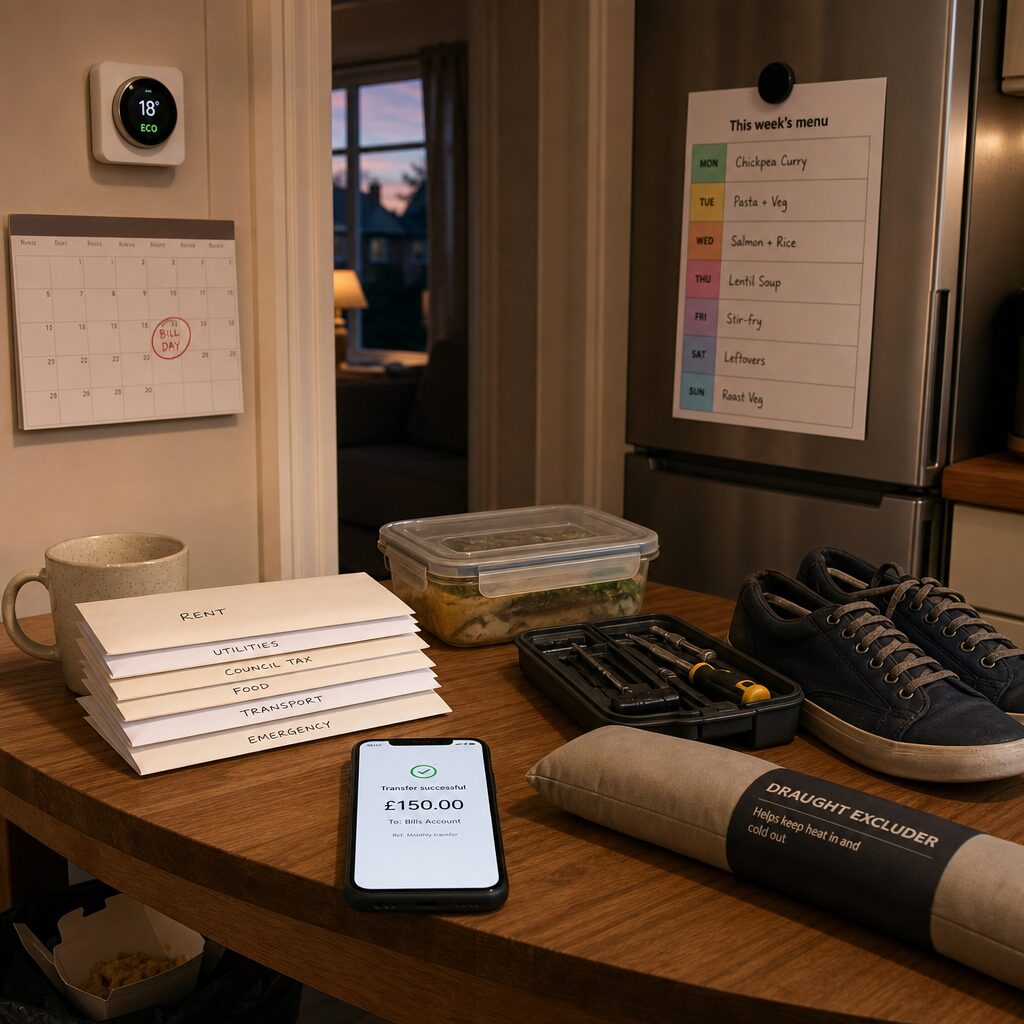
A realistic photo of a tidy modern kitchen bathed in soft morning light. On the central worktop sits a meal-prep container with neatly portioned food, a smartphone displaying a budget app with an automated payments list, and an energy-efficient kettle with an LED indicator. In the background, a corkboard shows a simple monthly checklist and a small pile of sold-items parcels ready for dispatch. The scene suggests quiet efficiency: order, reclaimed time and practical savings manifesting in everyday life.

Hidden Returns: How 10 Smart Monthly Savings Buy You Time, Effort and Freedom

Why ‘Saving’ Is Often Misunderstood Most articles treat saving as a ledger exercise: cut this, cancel that, watch the pennies. That’s useful, but incomplete. Savings cascade — one small change can free time, reduce friction and unlock future financial gains. This piece reframes 10 smart monthly savings as systems that save time, money and effort

Hidden Returns: How 10 Smart Monthly Savings Buy You Time, Effort and Freedom Read More »

A realistic, high-resolution photograph of a home office desk at dusk: a laptop displaying a dashboard of side-hustle earnings and task metrics, a notepad with a boxed checklist titled 'Transferable Skills', a headset, and a small pile of receipts and subscription cards. Through the window, a city skyline glows with evening lights. The scene conveys careful evaluation and professional craft rather than frantic side-gig hustle.

Cheap Gigs vs. Real Income: How to Tell Quality Side Hustles from Flash-in-the-Pan Schemes in 2026

Why cheap-looking side hustles often cost more than they promise At first glance, a side hustle that asks for a small upfront fee or promises instant high hourly rates looks attractive. The difference between ‘cheap’ and ‘quality’ isn’t just price — it’s durability. Cheap side hustles often rely on transient arbitrage, fleeting demand or platforms

Cheap Gigs vs. Real Income: How to Tell Quality Side Hustles from Flash-in-the-Pan Schemes in 2026 Read More »

Remote Jobs Paying $10k/Month – 13 Real Careers Remote Jobs Remote Jobs Paying Up to $10k/Month – 13 Careers With Real Potential May 20, 2026 · 10 min read · Updated with real data Remote work is no longer a trend—it’s reality for thousands of professionals worldwide. I started working remotely in 2019, earning $3,000

Read More »

A high‑resolution photograph of a small wooden table near a window on a rainy late‑autumn afternoon. On the table sits an open notebook with a hand‑drawn pie chart labelled 50/30/20 in neat handwriting, coloured with pastel markers. Beside it, a cup of tea emits a faint wisp of steam; a pair of spectacles rest on top of a bank statement; a smartphone shows a budget app summarised in simple bars. Through the window, blurred city rooftops and a cyclist passing by hint at everyday life. The composition balances calm, practical intent with the real‑world texture of everyday financial decisions.

Choose Your 50/30/20: How to Tailor the Rule to Your Life, Not the Other Way Round

Why one 50/30/20 won’t fit everyone The 50/30/20 budget rule—50% needs, 30% wants, 20% savings/debt repayment—feels comforting because it’s tidy. But financial lives are not tidy. Different incomes, family structures, cultural expectations, health trajectories and career stages mean the “right” 50/30/20 for a single parent in London, a 25‑year‑old freelancer in Brighton or a near‑retirement

Choose Your 50/30/20: How to Tailor the Rule to Your Life, Not the Other Way Round Read More »

10 dicas de vida frugal para idosos (que não te fazem parecer pobre)

Let’s clear up an age-old story right away: frugal doesn’t mean cheap. It also doesn’t mean giving anything up that makes life enjoyable. The goal isn’t to shrink your life—it’s to run it more efficiently, with a bit of quiet confidence. Think of it this way: the most financially comfortable people aren’t always the ones

10 dicas de vida frugal para idosos (que não te fazem parecer pobre) Read More »

A high-resolution photograph taken at dusk of a small startup office: a long table with three founders in mid-discussion, whiteboards in the background covered with hypothesis diagrams and annotated metrics. One founder rubs their temple, a laptop open to a cohort-retention chart; another points to a pre-registered experiment plan pinned with coloured Post‑its. A coffee cup, a stethoscope-like headset and a legal folder labelled ‘Cap Table’ sit on the table, symbolising product, wellbeing and governance. Warm window light falls across a printed neuroscience brain-scan image juxtaposed with a spreadsheet, visually linking biology and data-driven business decisions.

The Science Behind the Slip‑Ups: Why First‑Time Founders Make the Same 10 Mistakes in 2026 (and Exactly How Research Shows They Can Stop)

Why investigate the science of founder mistakes? Most lists of startup errors read like a checklist: don’t ignore customers, don’t run out of cash, hire well. That conventional wisdom helps, but it rarely explains why founders repeat the same errors. Over the past decade behavioural economics, decision science, cognitive neuroscience and organisational psychology have converged

The Science Behind the Slip‑Ups: Why First‑Time Founders Make the Same 10 Mistakes in 2026 (and Exactly How Research Shows They Can Stop) Read More »

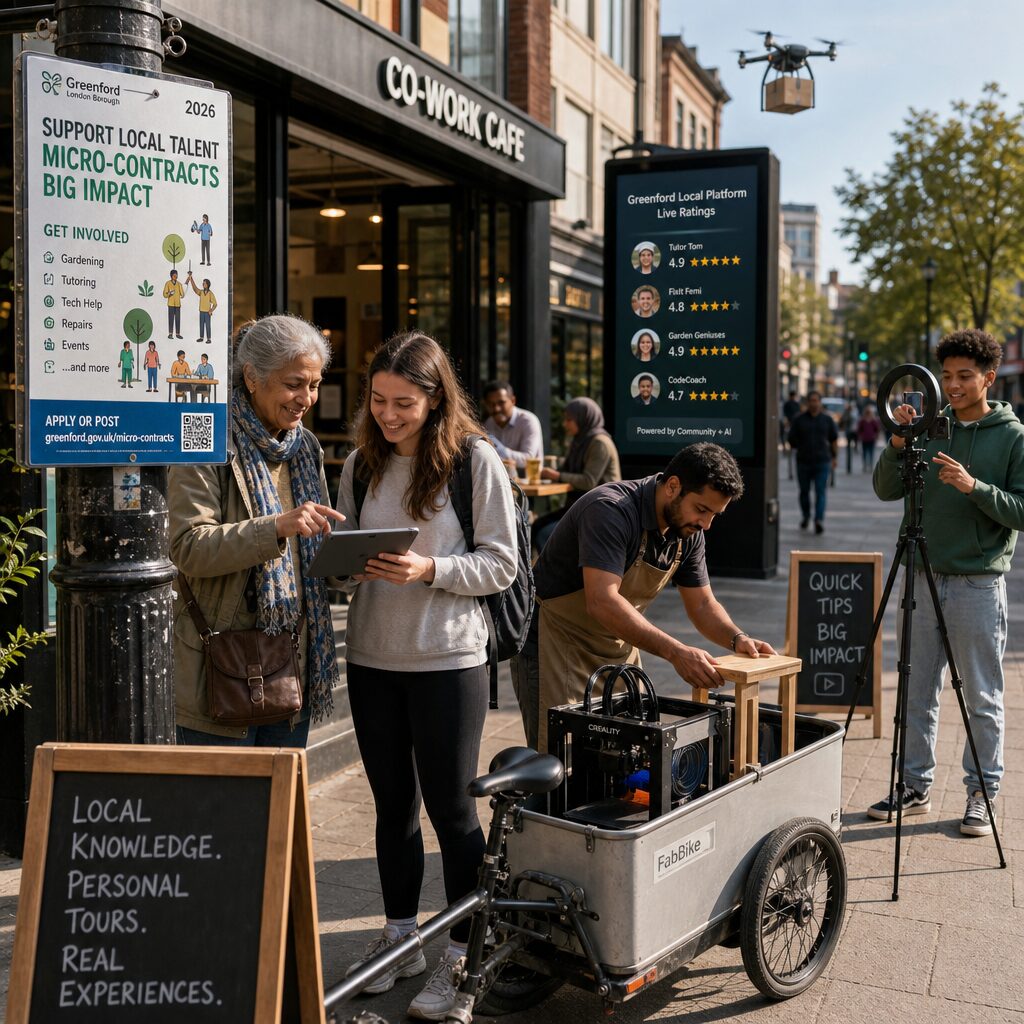
A high-resolution photograph of a diverse urban neighbourhood meeting in a sunlit community hall. On a wooden table in the foreground are everyday objects representing saving strategies: a sealed envelope labelled "Emergency Fund", a smart meter display showing reduced energy use, a stack of discount supermarket loyalty cards, a bicycle helmet beside a shared-mobility app open on a smartphone, and a small ceramic jar marked "Coffee at Home". In the background, neighbours of different ages converse animatedly over charts pinned to a noticeboard, suggesting local experiments and collaboration. The overall tone is warm, practical and purposeful, emphasising collective agency and everyday resilience.

Por que ’10 maneiras inteligentes de economizar dinheiro todos os meses’ é mais importante do que você imagina

Why saving is now a civic act, not just a personal habit Most advice columns treat saving as a private ledger exercise: transfer X to a savings account, cancel the gym membership you never use, brew coffee at home. That’s useful, but it misses a wider truth. In an era of compressed wages, fragile supply

Por que ’10 maneiras inteligentes de economizar dinheiro todos os meses’ é mais importante do que você imagina Read More »

A crisp, high-resolution photograph of a small, modern home office at dusk: a laptop with a half-finished spreadsheet on screen, a mug with cooling tea, a notepad with bullet-pointed goals, and a smartphone showing a client message. In the background a city skyline glows with office lights. The scene conveys focused, intentional work—technology and human planning together—capturing the balance between tools and strategy that defines successful side hustles in 2026.

Mitos sobre renda extra em 2026: O que todos entendem errado (e o que realmente funciona)

Why myth-busting matters for side hustles in 2026 By 2026 the side-hustle landscape looks more mature and more confusing at the same time: new platforms, generative AI tools, and a post-pandemic labour market have produced a stew of hot takes. That creates myths that discourage good gigs and inflate bad ones. This article doesn’t list

Mitos sobre renda extra em 2026: O que todos entendem errado (e o que realmente funciona) Read More »